


Imposter Syndrome: Why You Feel Like a Fraud!
🌱 Introduction: When Success Doesn’t Feel Like Yours
You achieve something important.
A promotion. A good result. A new opportunity.
But instead of feeling confident, you think:
- “I don’t deserve this.”
- “What if they find out I’m not that capable?”
- “I just got lucky.”
And no matter how much you achieve,
it never feels like enough.
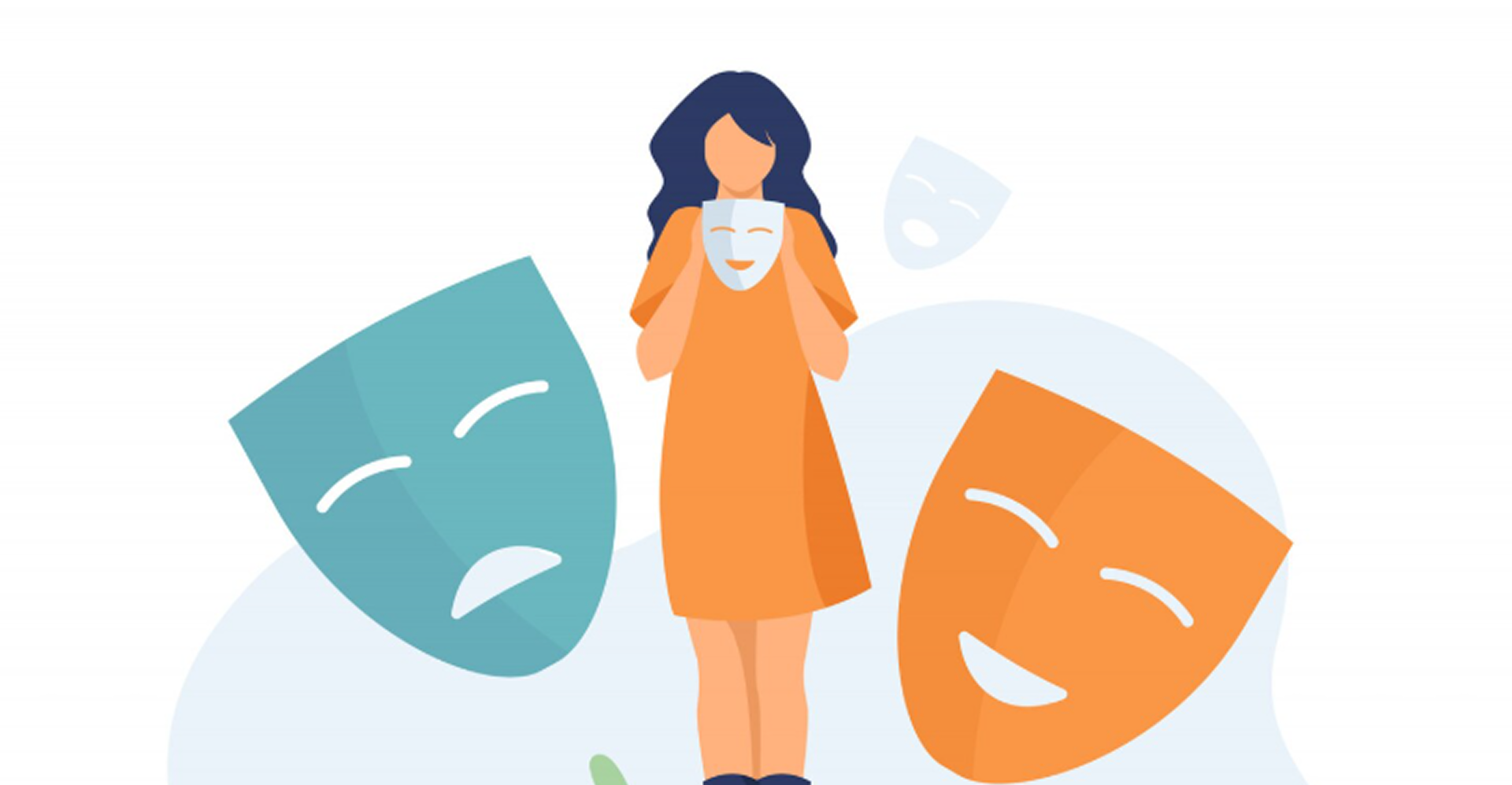
This is imposter syndrome.
And it’s more common than you think.
🔍 What’s Really Happening Behind Imposter Syndrome
Imposter syndrome is not about lack of ability -
it’s about how you perceive your ability.
It often comes from:
- High personal expectations
- Fear of being judged
- Comparing yourself to others
- Growing into new roles or responsibilities
When you step into something new, your mind tries to protect you by creating doubt.
👉 “What if you’re not good enough?”
But that doubt isn’t truth -
it’s discomfort with growth.
⚠️ Why It Matters More Than You Think
Imposter syndrome can quietly limit your potential.
You may start to:
- Undervalue your achievements
- Avoid opportunities
- Overwork to “prove yourself”
- Feel constant anxiety despite success
The problem isn’t your capability -
it’s your inability to recognize it.
🛠️ What You Can Do to Overcome It
1. Acknowledge Your Achievements
You didn’t reach here by accident.
Start recognizing your effort and progress.
2. Stop Attributing Everything to Luck
Luck may play a role - but it’s not the whole story.
Your skills and actions matter.
3. Accept That Growth Feels Uncomfortable
Feeling like an imposter often means you’re growing.
And growth always feels uncertain at first.
4. Avoid Constant Comparison
You’re seeing others at their best -
and yourself at your most critical.
That’s not a fair comparison.
5. Talk About It
Many people feel this way but don’t say it.
Talking about it reduces its power.
6. Focus on Learning, Not Proving
Shift from:
👉 “I need to prove I’m good enough”
to
👉 “I’m here to learn and improve”
✅Quick Self-Check
- Do you feel like you don’t deserve your success?
- Do you fear being “exposed” as not capable enough?
- Do you downplay your achievements?
- Do you feel anxious despite doing well?
If yes, imposter syndrome may be holding you back.
🤝 When to Consider Seeking Help
If these feelings are constant and affecting your confidence or performance, professional guidance can help you reframe your thinking.
A professional can help you:
- Build self-awareness
- Strengthen self-belief
- Develop healthier thought patterns
Through HappinessCue, you can connect with experts who guide you in overcoming self-doubt and building confidence.
💡 Final Thought
You’re not a fraud.
You’re someone growing into a new version of yourself.
And what feels unfamiliar today…
will feel natural tomorrow.