


Are You in an Abusive Relationship? Know the Signs
🌱 Introduction: When Something Feels Off
Not all abusive relationships start with visible harm.
Sometimes, it begins subtly - constant criticism, controlling behaviour, emotional manipulation, or feeling like you’re always “walking on eggshells.”
You may find yourself questioning:
- “Am I overreacting?”
- “Is this normal?”
- “Maybe it’s my fault…”
And slowly, your confidence, independence, and emotional safety begin to fade.
Here’s the truth:
If a relationship makes you feel unsafe, controlled, or diminished - it’s not healthy.
🔍 What’s Really Happening in Abusive Relationships
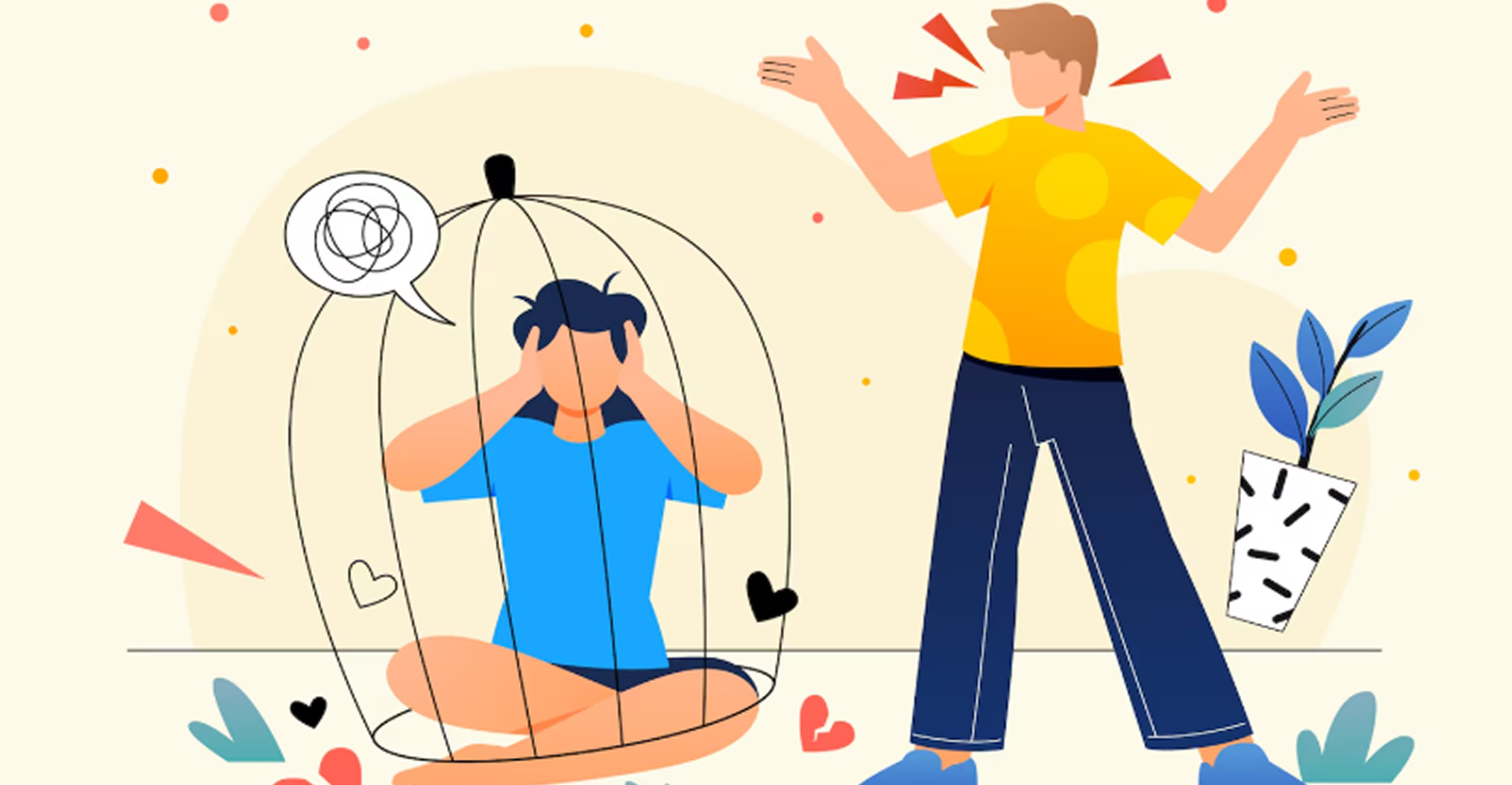
Abuse is not always physical. It often shows up in patterns of control and power.
It can include:
- Emotional abuse (criticism, humiliation)
- Psychological manipulation (gaslighting, intimidation)
- Financial control (restricting access to money)
- Isolation from friends or family
The intention behind these behaviours is the same - to gain control.
And because it builds gradually, it’s often difficult to recognize early.
⚠️ Why It Matters More Than You Think
Staying in an abusive relationship can deeply affect your mental and emotional well-being.
Over time, it can lead to:
- Loss of self-esteem
- Anxiety and constant fear
- Emotional dependence
- Isolation and helplessness
The longer it continues, the harder it can feel to step away.
But recognizing it early can change everything.
🛠️ What You Can Do to Protect Yourself
1. Acknowledge What You’re Experiencing
The first step is honesty with yourself.
If something feels wrong repeatedly, it deserves attention.
2. Stop Normalizing Harmful Behaviour
Love should not feel like fear, control, or constant criticism.
You deserve respect and emotional safety.
3. Talk to Someone You Trust
Silence often strengthens abuse.
Speaking to a trusted friend, family member, or mentor can help you gain perspective.
4. Create a Safe Support System
Stay connected with people who support and understand you.
Isolation makes situations harder to navigate.
5. Plan for Your Safety
If you feel at risk, think ahead:
- Keep important contacts accessible
- Identify safe places
- Have a plan if you need to leave quickly
6. Seek Professional Guidance
A trained professional can help you understand your situation, process your emotions, and explore safe next steps.
✅Quick Self-Check
Take a moment and reflect:
- Do you feel afraid of upsetting your partner?
- Are you constantly blamed or criticized?
- Has your independence reduced over time?
- Do you feel isolated from others?
If you relate to these, it’s important to take your feelings seriously.
🤝 When to Consider Seeking Help
If you feel unsafe, controlled, or emotionally drained in your relationship, reaching out for help is not weakness - it’s strength.
Professional support can help you:
- Understand your situation clearly
- Rebuild confidence and independence
- Explore safe options moving forward
Through HappinessCue, you can connect with trained counsellors who offer confidential support and guidance during difficult relationship situations.
💡 Final Thought
A healthy relationship should make you feel safe, respected, and valued.
If it doesn’t - it’s okay to question it.
And it’s okay to choose yourself.