



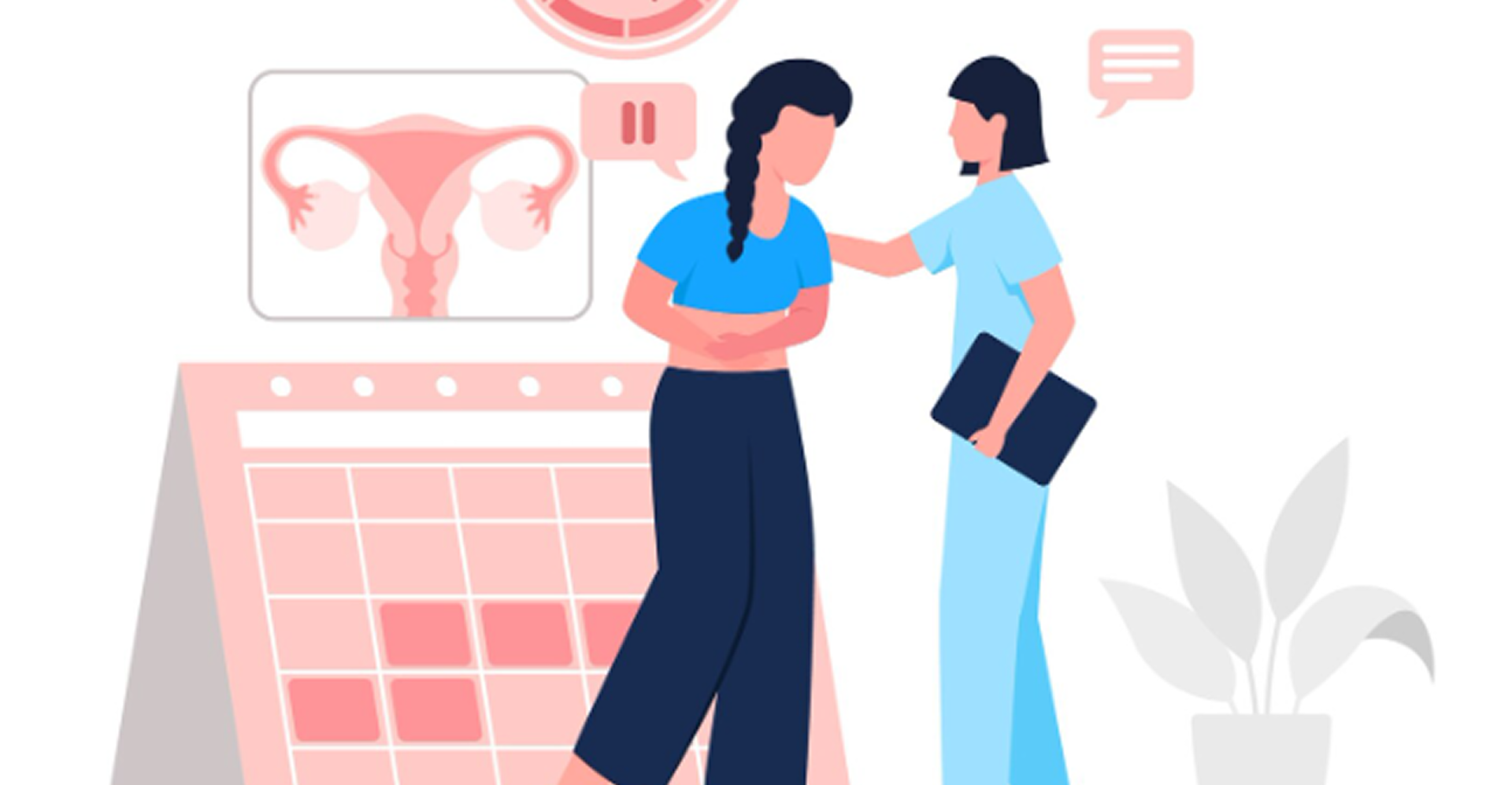
Feeling Low During Menopause? Signs Beyond Hormonal Changes
🌱 Introduction: When Changes Feel Overwhelming
Your body starts changing.
Sleep feels disturbed.
Your mood shifts without warning.
Some days, you feel fine.
Other days, you feel low, anxious, or unlike yourself.
And you wonder -
“Is this normal?”
Here’s the truth:
Menopause is not just a physical transition -
it deeply affects your emotional well-being too.
🔍 What’s Really Happening in Your Body
Menopause brings hormonal changes, especially in estrogen levels.
These hormones don’t just affect your body -
They also influence brain chemistry.
This can lead to:
Mood swings
Anxiety
Irritability
Low energy
Sleep disturbances
It’s not “just in your head” -
it’s your body adjusting to a new phase.
⚠️ Why It Matters More Than You Think
If ignored, these emotional changes can grow stronger over time.
You may experience:
Persistent sadness
Loss of motivation
Increased stress
Feeling overwhelmed or disconnected
In some cases, it can even affect long-term mental well-being.
That’s why awareness and support matter.
🛠️ What You Can Do to Support Yourself
1. Understand and Accept the Change
Menopause is a natural phase of life.
The more you understand it,
the easier it becomes to manage.
2. Take Care of Your Body
Your lifestyle plays a key role.
Focus on:
Balanced nutrition
Regular movement
Proper sleep
Even small changes can improve your energy and mood.
3. Manage Stress Mindfully
This phase often overlaps with other life responsibilities.
Try:
Mindfulness or meditation
Relaxation techniques
Doing things you enjoy
These help maintain emotional balance.
4. Seek Medical Guidance When Needed
If symptoms feel intense, consult a professional.
Proper guidance can help you manage changes safely and effectively.
5. Talk About What You Feel
You don’t have to go through this alone.
Sharing with family, friends, or support groups
can bring relief and understanding.
6. Focus on Growth, Not Just Change
This phase can also be a time to:
Rediscover yourself
Prioritize self-care
Explore new interests
A shift in perspective can feel empowering.
✅ Quick Self-Check
Are you experiencing frequent mood swings?
Do you feel low or anxious without a clear reason?
Is your sleep or energy level affected?
Do you feel emotionally overwhelmed lately?
If yes, your mental well-being may need attention.
🤝 When to Consider Seeking Help
If emotional changes begin to affect your daily life, support can help you:
Understand what you’re experiencing
Manage anxiety or low mood
Feel more in control
Through HappinessCue, you can connect with experts who provide guidance and emotional support during this phase.
💡 Final Thought
Menopause is a phase of change -
not a loss of strength.
The way you support yourself during this time
shapes how you feel moving forward.
Be patient with your body.
Be kind to your mind.
Because this phase isn’t an ending -
It's a new beginning.