

Is Your Relationship Turning Toxic? Signs of Abuse
🌱 Introduction: When Love Starts to Feel Like Fear
It doesn’t always start with violence.
Sometimes, it begins quietly.
A comment.
A restriction.
A moment that feels “off.”
You try to ignore it.
You tell yourself it’s normal.
But slowly, things change.
You feel anxious, silenced, or afraid to express yourself.
Here’s the truth:
Abuse isn’t always visible -
but it is always harmful.
🔍 What Abuse Really Looks Like
Abuse is not just physical harm.
It’s a pattern of control that can take many forms.
It may include:
Emotional manipulation or constant criticism
Controlling your choices or independence
Threats, intimidation, or isolation
Financial control or dependency
It can happen to anyone -
regardless of age, gender, or background.
⚠️ Why It’s Hard to Recognize
Many people don’t realize they are in an unhealthy or abusive situation.
You may feel:
Confused about what’s right or wrong
Guilty for questioning your partner
Afraid of judgment or not being believed
Emotionally dependent or stuck
This confusion often keeps the cycle going.
🛠️ Signs You Should Not Ignore
1. Constant Control
You feel like you need permission for everyday decisions.
Your independence feels limited.
2. Emotional Manipulation
You are blamed, criticized, or made to feel “not enough.”
Over time, this affects your confidence and self-worth.
3. Fear Over Comfort
You feel anxious instead of safe.
You avoid speaking up to prevent conflict.
4. Isolation from Others
You feel distanced from friends, family, or support systems.
This makes it harder to seek help.
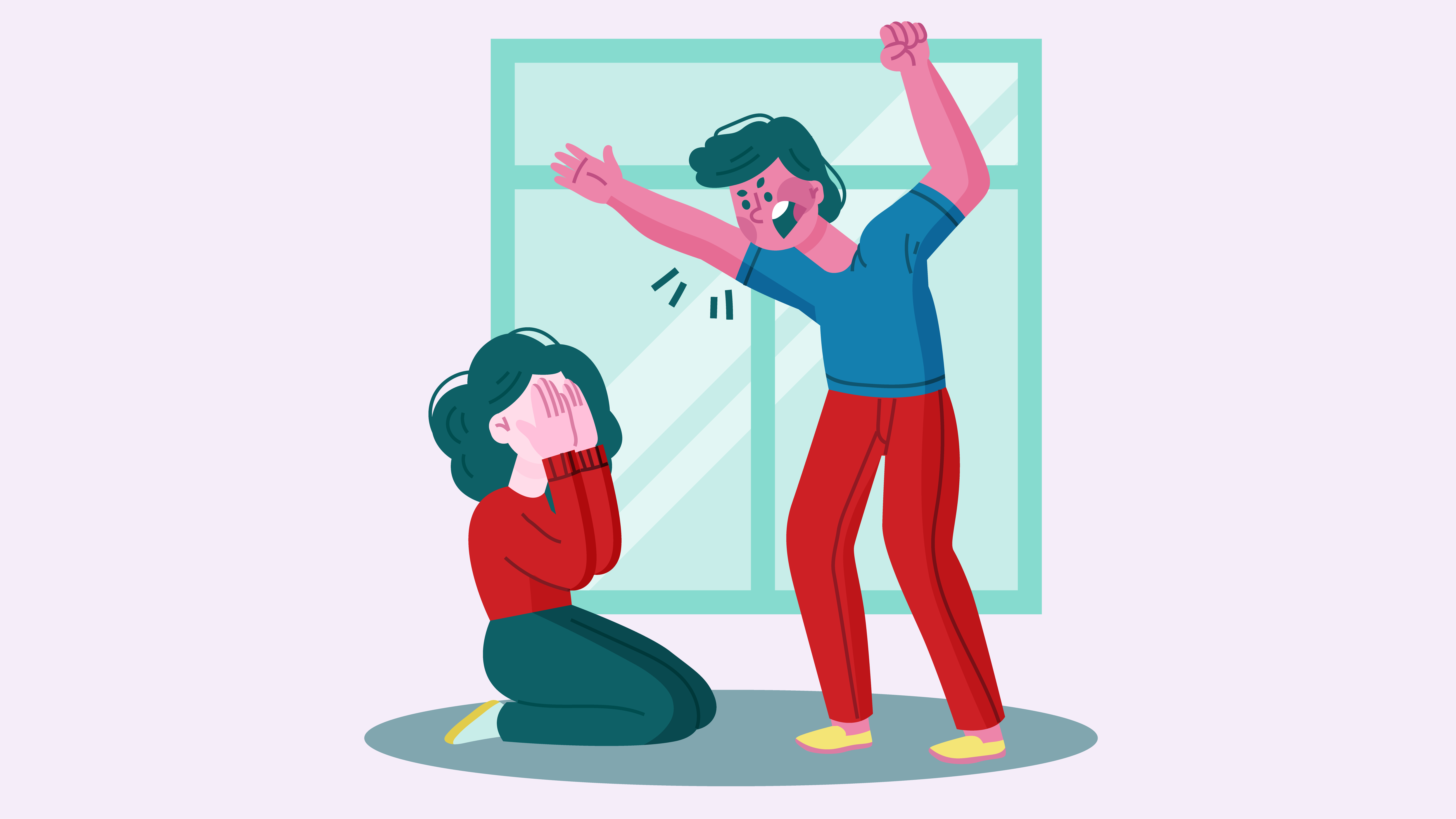
5. Physical or Verbal Harm
Any form of aggression, threat, or harm
is a serious warning sign and should never be ignored.
✅ Quick Self-Check
Do you feel afraid of your partner’s reactions?
Do you feel controlled or restricted?
Has your confidence reduced over time?
Do you feel emotionally drained in the relationship?
If yes, this may not be a healthy or safe situation.
🤝 What You Can Do
1. Acknowledge the Situation
Recognizing what you’re experiencing is the first step toward change.
2. Reach Out to Someone You Trust
Talk to a friend, family member, or someone you feel safe with.
3. Set Boundaries Where Possible
Protect your emotional space, even in small ways.
4. Seek Professional Guidance
A counsellor can help you understand your situation
and explore safe options.
5. Prioritize Your Safety
If you feel at risk, seek immediate help.
Your safety always comes first.
🤝 When to Consider Seeking Help
You don’t have to go through this alone.
Support can help you:
Understand your situation clearly
Rebuild confidence and emotional strength
Make safe and informed decisions
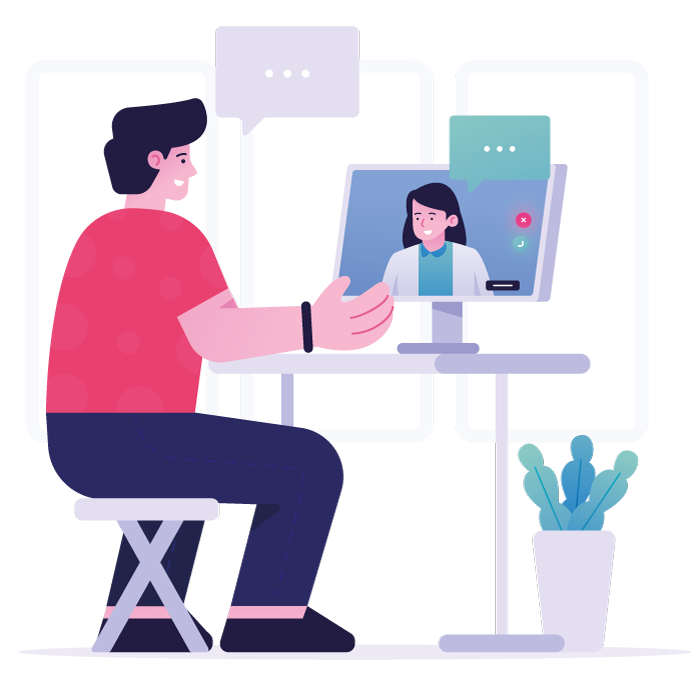
Platforms like HappinessCue connect you with experts who provide confidential guidance and emotional support during difficult relationship situations.
💡 Final Thought
A healthy relationship should feel safe,
respectful, and supportive.
If it brings fear instead of comfort,
it’s not something to ignore.
You deserve respect.
You deserve safety.
And most importantly -
you deserve to be heard.