



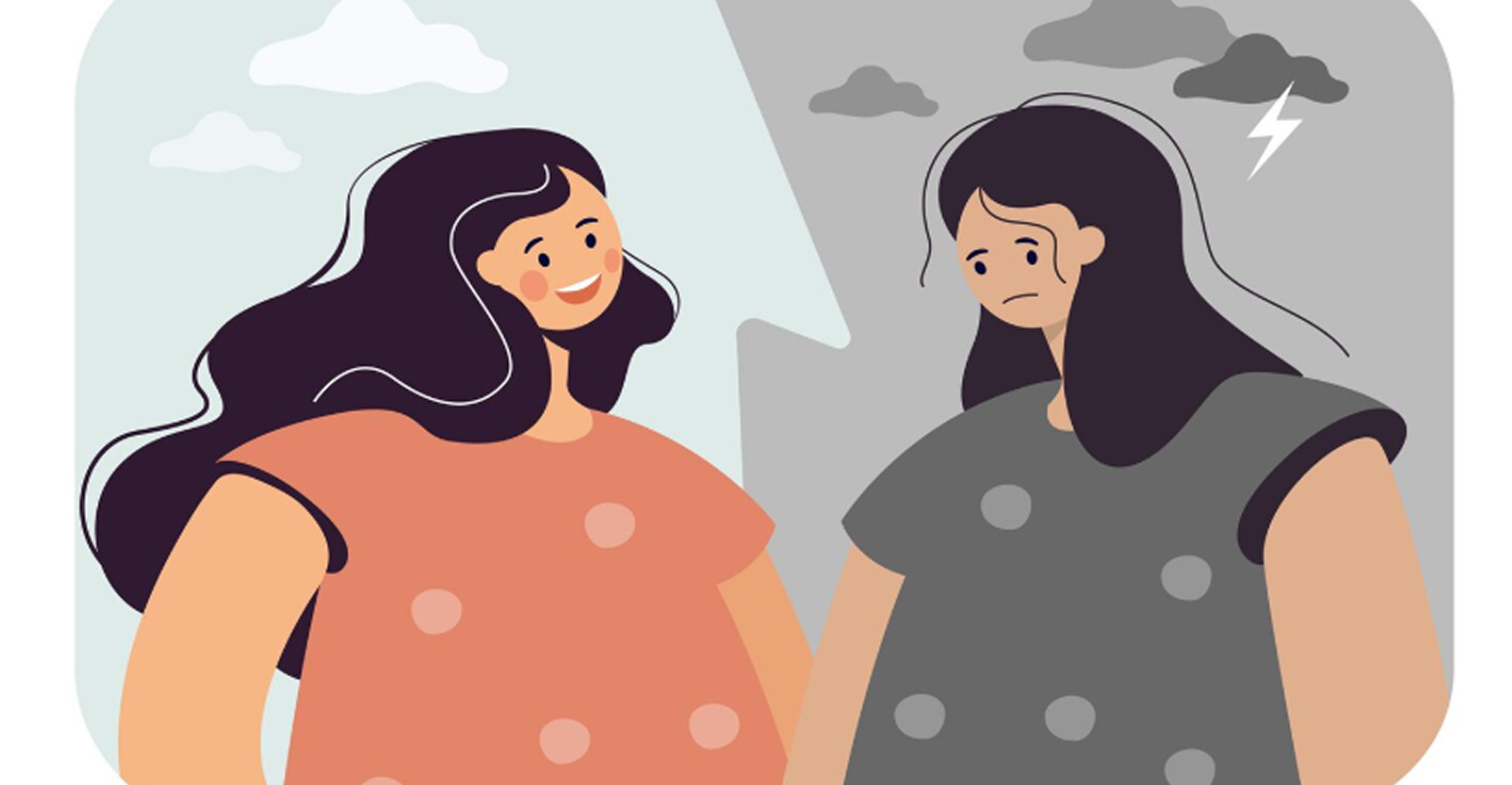
Mood Swings or Something More? Understanding Bipolar Disorder!
🌱 Introduction: When Emotions Start Feeling Extreme
Some days, you feel great.
Other days, not so much.
That’s normal.
But what if your moods feel…
too intense?
One moment, full of energy.
Another, completely drained.
And it’s not just occasional -
it keeps repeating.
Here’s the reality:
Not all mood changes are the same.
🔍 What’s Really Happening with Mood Changes
Everyone experiences emotional ups and downs.
These can be caused by:
Stress
Relationships
Work or studies
Lack of sleep
Usually, these feelings:
Don’t last very long
Are linked to a situation
Don’t disrupt daily life
They pass with time.
⚠️ When It Might Be More Than Mood Swings
Sometimes, mood changes are deeper and more intense.
They may:
Last for weeks or longer
Feel extreme or difficult to control
Affect your daily routine
Impact relationships and decisions
This is where conditions like bipolar disorder may come in.
🛠️ Understanding Bipolar Disorder
1. High-Energy (Manic) Phases
You may feel:
Extremely energetic or restless
Overconfident or impulsive
Like you need very little sleep
Full of racing thoughts
It may feel productive at times,
but can also become overwhelming or risky.
2. Low-Energy (Depressive) Phases
At other times, you may feel:
Deep sadness or emptiness
Low energy or fatigue
Loss of interest in activities
Difficulty focusing
Even simple tasks may feel exhausting.
3. The Pattern of Change
Unlike regular mood shifts,
these phases can:
Last longer
Feel more intense
Repeat over time
This can make daily life more challenging.
⚖️ Key Differences to Notice
Regular Mood Changes:
Short-term
Situation-based
Easier to manage
Bipolar Disorder:
Long-lasting
More intense
Disruptive to daily life
Understanding this difference is important.
✅ Quick Self-Check
Do your mood changes feel extreme or difficult to control?
Do they last for long periods?
Do they affect your work or relationships?
Do you switch between very high and very low moods?
If yes, your mental health may need attention.
🤝 When to Consider Seeking Help
If your emotions begin affecting your daily life,
seeking support can help you:
Understand what you’re experiencing
Manage mood patterns effectively
Build healthier coping strategies
Platforms like HappinessCue connect you with experts who can guide you in understanding and managing your mental well-being.
💡 Final Thought
Mood changes are human -
but extreme, persistent shifts need attention.
The earlier you understand what’s happening,
the easier it becomes to manage it.
Taking care of your mental health
is not a weakness -
it’s awareness.