



Does Obesity Affect Your Quality of Life? Know How
🌱 Introduction: It’s More Than Just Weight
When people talk about obesity, the focus is often only on physical appearance or weight numbers.
But the real impact goes much deeper.
It can affect how you feel, how you think, your energy levels, your confidence, and even how you experience everyday life.
You may notice:
- Feeling tired more often
- Avoiding certain situations
- Struggling with motivation
And slowly, it starts affecting your overall quality of life.
Here’s the important part:
Obesity is not just a physical condition - it’s closely connected to your mental and emotional well-being.
🔍 What’s Really Happening Behind the Scenes
Weight gain is not always just about food or activity levels.
It is often influenced by:
- Stress and emotional eating
- Lifestyle habits
- Sleep patterns
- Hormonal or medical factors
In many cases, emotions and eating patterns are closely linked.
You may eat when:
- You feel stressed
- You feel bored or lonely
- You need comfort
This creates a cycle where emotional struggles lead to unhealthy habits - and those habits further impact your well-being.
⚠️ Why It Matters More Than You Think
Obesity can affect both your body and your mind.
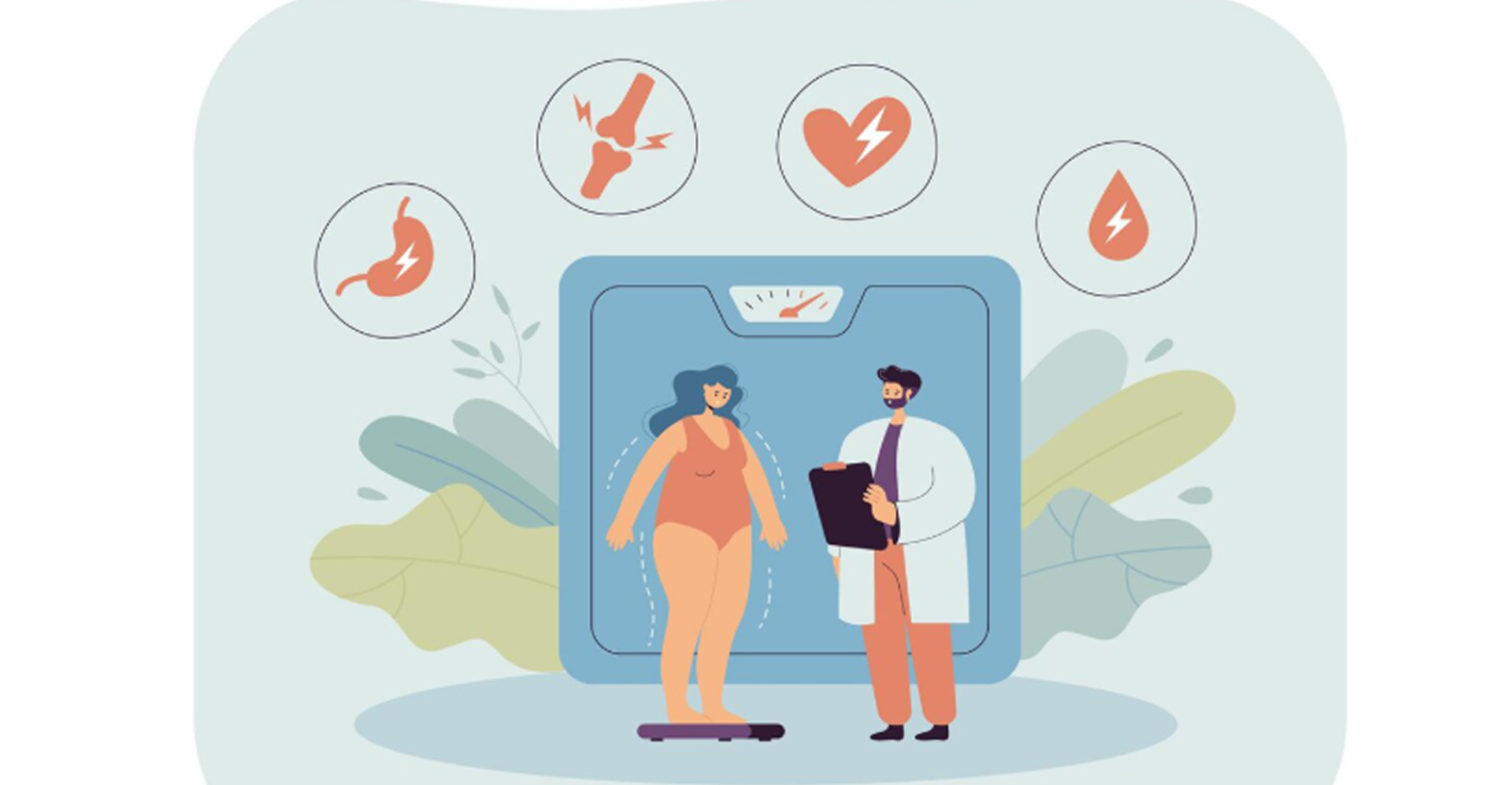
Physically, it increases the risk of:
- High blood pressure
- Diabetes
- Heart-related conditions
- Joint problems
Emotionally, it can lead to:
- Low self-esteem
- Social withdrawal
- Anxiety or stress
This combination can reduce your overall energy, confidence, and engagement with life.
🛠️ What You Can Do to Improve Your Quality of Life
1. Focus on Small, Sustainable Changes
Instead of drastic diets, start with small habits.
Consistency matters more than intensity.
2. Understand Your Emotional Triggers
Notice when and why you tend to overeat.
Awareness is the first step toward change.
3. Build a Balanced Routine
Include:
- Regular physical activity
- Proper sleep
- Structured daily habits
A stable routine improves both physical and mental health.
4. Stop Viewing Health as Punishment
Exercise and diet should not feel like punishment.
They should feel like care for your body.
5. Seek Support Instead of Struggling Alone
Whether it’s friends, family, or professionals - support makes change easier and more sustainable.
6. Practice Self-Compassion
Be patient with yourself.
Progress takes time - and harsh self-criticism only slows it down.
✅ Quick Self-Check
Reflect honestly:
- Do you often eat in response to stress or emotions?
- Do you feel low on energy most of the time?
- Has your weight affected your confidence or social life?
- Do you find it hard to maintain healthy routines?
If this feels familiar, it’s time to approach your health more holistically.
🤝 When to Consider Seeking Help
If managing weight feels overwhelming or emotionally draining, professional guidance can help you take a more structured and balanced approach.
Support can help you:
- Understand emotional eating patterns
- Build healthier habits
- Improve both mental and physical well-being
Through HappinessCue, you can connect with experts who guide you toward sustainable lifestyle changes and better overall health.
💡 Final Thought
Improving your quality of life isn’t about chasing a number on the scale.
It’s about building a healthier relationship with your body, your habits, and yourself.
And that journey - even with small steps - is always worth starting.