



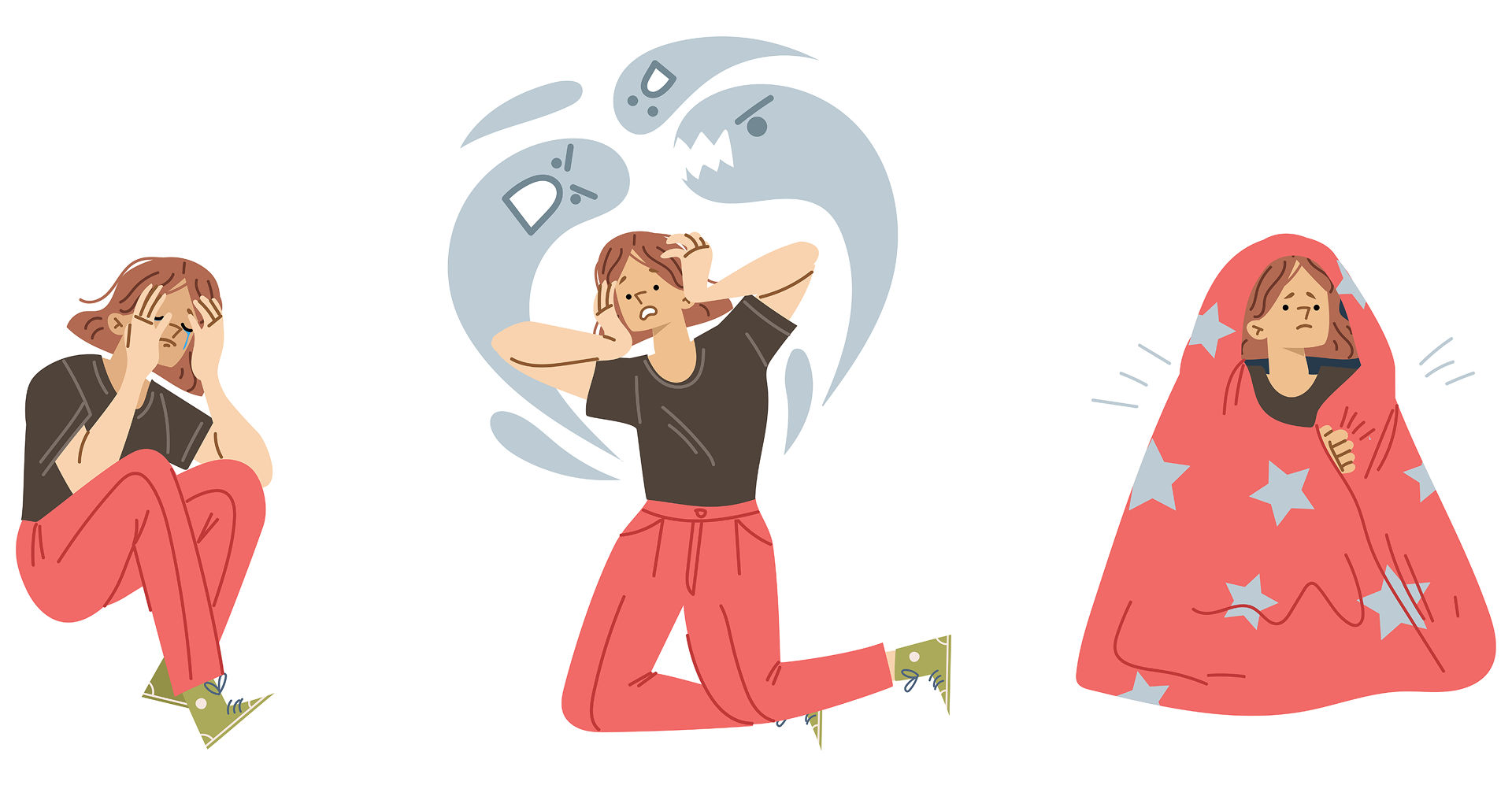
Can Thyroid Issues Cause Anxiety and Depression Signs!
🌱 Introduction: When It’s Not “Just in Your Mind”
You feel anxious.
Restless. Low.
But nothing around you seems wrong.
No clear reason. No obvious trigger.
Yet something feels off -
physically and emotionally.
Here’s something many people don’t realize:
Your mental health isn’t always just psychological.
Sometimes, the root cause can be physical - like your thyroid.
🔍 What’s Really Happening Inside Your Body
The thyroid is a small, butterfly-shaped gland in your neck -
but its impact is powerful.
It controls:
Energy levels
Metabolism
Hormonal balance
Brain function
When thyroid hormones are imbalanced,
they don’t just affect your body -
they influence how you feel, think, and respond emotionally.
⚠️ Why It Matters More Than You Think
Thyroid imbalances can quietly affect your mental health.
You may notice:
Unexplained anxiety or restlessness
Persistent low mood or sadness
Difficulty concentrating
Sudden changes in energy levels
What feels like an emotional struggle
may actually be linked to your body’s internal imbalance.
🛠️ How Thyroid Health Affects Your Mind
1. When Your Body Feels “Overactive”
An overactive thyroid can make everything feel fast and intense.
You may experience:
Racing thoughts
Restlessness
Trouble sleeping
Constant nervousness
It can feel like your mind won’t slow down.
2. When Your Energy Feels Low and Heavy
An underactive thyroid slows things down.
You may feel:
Constant fatigue
Low motivation
Brain fog
Persistent sadness
Even small tasks can feel overwhelming.
3. The Mind–Body Connection
Thyroid hormones influence brain chemicals like serotonin and dopamine -
which regulate mood and emotional balance.
When these are affected, your mental state shifts too.
4. Notice Patterns, Not Just Moments
Occasional stress is normal.
But if your symptoms feel ongoing and unexplained,
it’s important to look deeper.
5. Don’t Ignore Physical Signals
Changes in sleep, energy, or body functioning
along with mood changes
can be important indicators.
6. Take a Balanced Approach to Care
Both medical and emotional support matter.
Understanding the root cause helps you manage symptoms more effectively.
✅ Quick Self-Check
Have you been feeling anxious without a clear reason?
Do you feel unusually tired or low on energy?
Are you experiencing mood swings or brain fog?
Do your symptoms feel both physical and emotional?
If yes, it may be worth looking beyond just stress.
🤝 When to Consider Seeking Help
If these symptoms persist, don’t ignore them.
The right support can help you:
Identify possible thyroid-related concerns
Manage anxiety or low mood effectively
Restore balance - physically and emotionally
Along with medical consultation, HappinessCue connects you with experts who can support your emotional well-being during such challenges.
💡 Final Thought
Your mind and body are deeply connected.
Sometimes, what feels like anxiety or depression
is your body asking for attention.
The more you understand what’s happening within,
the better you can take control of your well-being.